Mullein: The Velvet Giant of Herbal Medicine
Mullein has probably caught your eye as some point due to its huge, stunning appearance. Discover how to identify it, benefits, and uses.
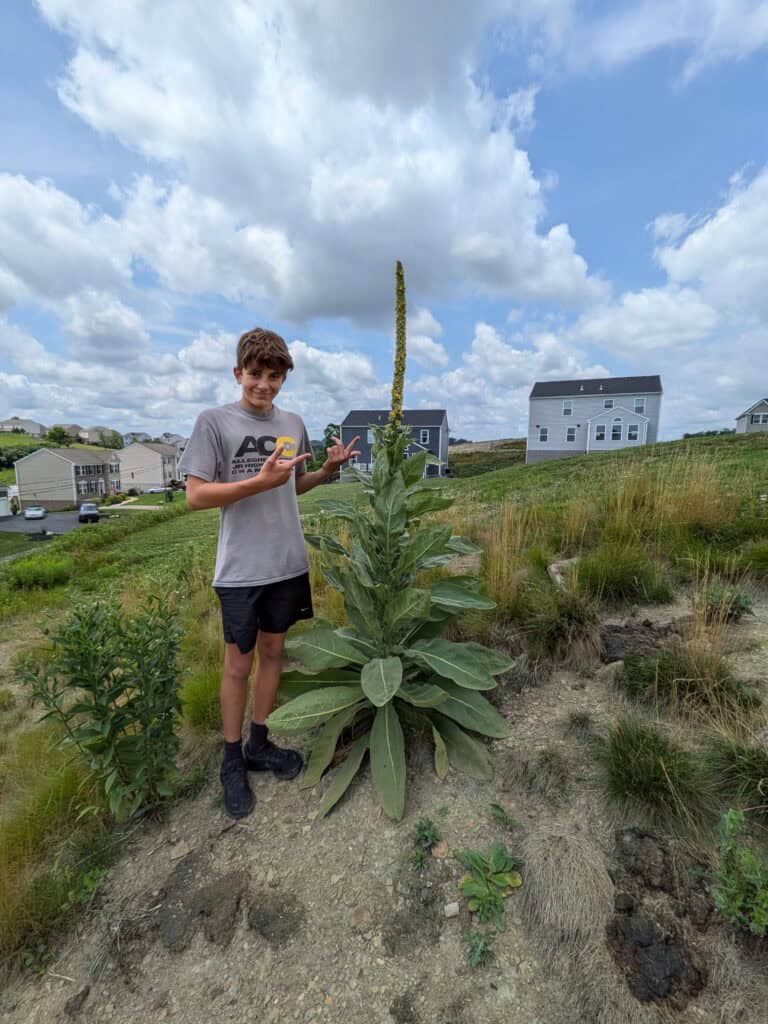
At first glance, Mullein looks like a giant dinosaur of a plant. My 14 year old son says it looks like it wants to attack us- ancient and intimidating. However, this surprisingly gentle, whimsical plant is one of our favorites to view and work with.
This humble plant often grows where the land has been disturbed, quietly making itself at home in places many people pass by without a second glance. Yet for herbalists, mullein is a beloved ally—gentle, dependable, and especially well known for its support of the lungs and respiratory system.
Mullein has a kind of old-world charm to it. Its leaves are famously soft and velvety, almost like felt, and its towering flower stalk gives it a dramatic presence in the landscape. Whether you are just beginning to explore wild herbs or you’ve been working with plants for years, mullein is a wonderful herb to know. In this guide, we’ll look at how to identify it, what it has traditionally been used for, important cautions to keep in mind, and a few simple ways to prepare it at home.
Identifying Mullein in the Wild
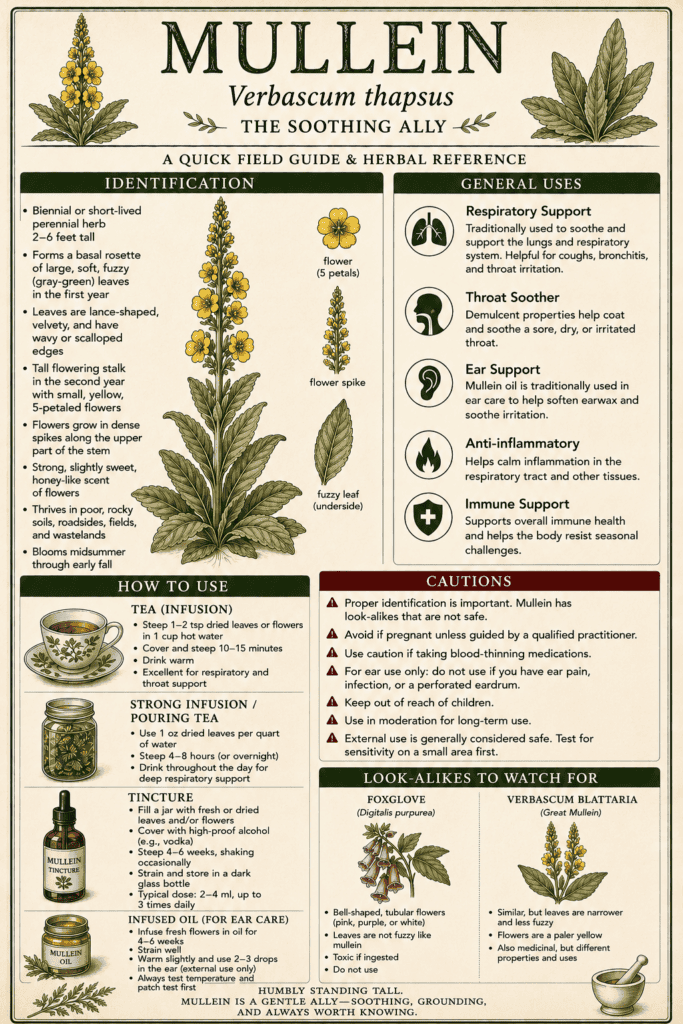
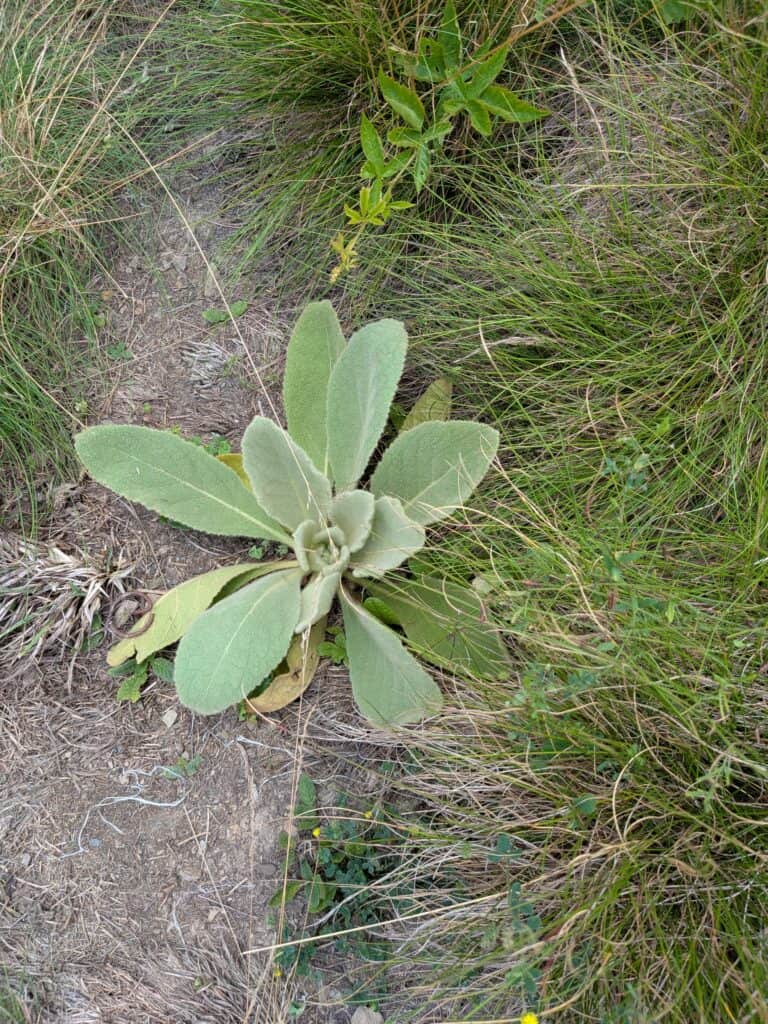
Mullein (Verbascum thapsus) is a biennial plant, which means it usually grows in two stages over two years.
In its first year, it forms a low rosette of large, fuzzy leaves close to the ground. These leaves are one of mullein’s most distinctive features: soft, thick, and covered in fine hairs that give them a woolly, almost suede-like texture. The leaves are typically gray-green and can grow quite large, sometimes reaching over a foot in length. This is the best time to harvest the leaves for medicinal purposes.
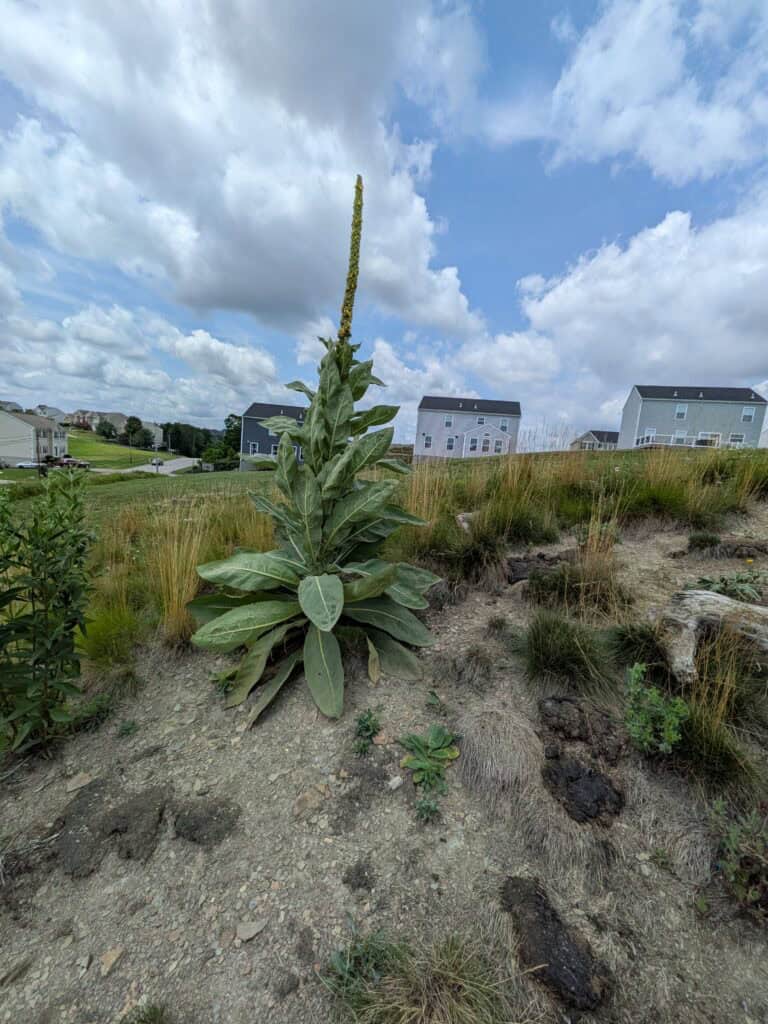
In its second year, mullein sends up a tall, straight flowering stalk that can grow anywhere from 3 to 8 feet high. Along this stalk, small yellow flowers bloom in a dense column, opening gradually from the bottom upward. The flowers are bright and cheerful, with five petals each, and the plant often stands out dramatically against the landscape.
Mullein is commonly found in sunny, dry, disturbed areas such as roadsides, fields, vacant lots, and pastures. It prefers poor soil and often appears where other plants may struggle. When crushed, the leaves have a mild, earthy scent, though the texture is usually the first clue that you’ve found it.
When foraging, always confirm identification with multiple features before harvesting.
Traditional and Modern Uses of Mullein
Mullein is best known as a respiratory herb. Herbalists have long turned to it for dry coughs, irritated throats, chest congestion, and general lung support.
Its leaves are considered demulcent, meaning they help soothe and coat irritated tissues, while also offering mild expectorant qualities that may help loosen mucus and make coughing more productive. This makes mullein especially useful during seasonal respiratory discomfort.
The flowers of mullein have a long history of use in ear oil preparations. Infused in oil, they are often used topically to soothe minor ear discomfort. This is one of mullein’s most beloved folk remedies and remains popular in herbal practice today.
Mullein has also been used externally for skin support. The leaves can be applied in poultices or infused into oil for minor skin irritation, dryness, or general soothing care. Some herbalists also value mullein for its gentle, grounding presence in formulas meant to support the body during times of inflammation or irritation.
Cautions and Who Should Avoid Mullein
Mullein is generally considered a gentle herb, but there are still a few important cautions to keep in mind. First, correct identification is essential because of toxic look-alikes such as foxglove. Never harvest or consume a plant unless you are completely certain of what it is.
Although mullein is generally well tolerated, pregnant or breastfeeding individuals should consult a qualified healthcare provider before using it medicinally, especially in concentrated forms. As with any herb, it is wise to start with small amounts and observe how your body responds.
Ways to Work with Mullein
One of the best things about mullein is how versatile it is. It can be prepared in several simple ways, making it easy to bring into your herbal routine.
Topical Use:
Mullein leaves can be used externally as a poultice or infused into oil. To make a simple infused oil, place dried mullein leaves or flowers in a clean jar and cover them completely with a carrier oil such as olive oil. Let the mixture sit in a warm, dark place for several weeks, then strain well. The resulting oil can be used in salves or applied to dry, irritated skin. Mullein flower oil is especially popular for ear support, though it should only be used when appropriate and with care.
Mullein Tea:
To make a simple tea, steep 1–2 teaspoons of dried mullein leaves or flowers in a cup of hot water for 10–15 minutes. Because of the fine hairs on the plant, strain the tea carefully before drinking. The flavor is mild and slightly earthy. Mullein tea is often used to soothe dry coughs, scratchy throats, and irritated respiratory passages.
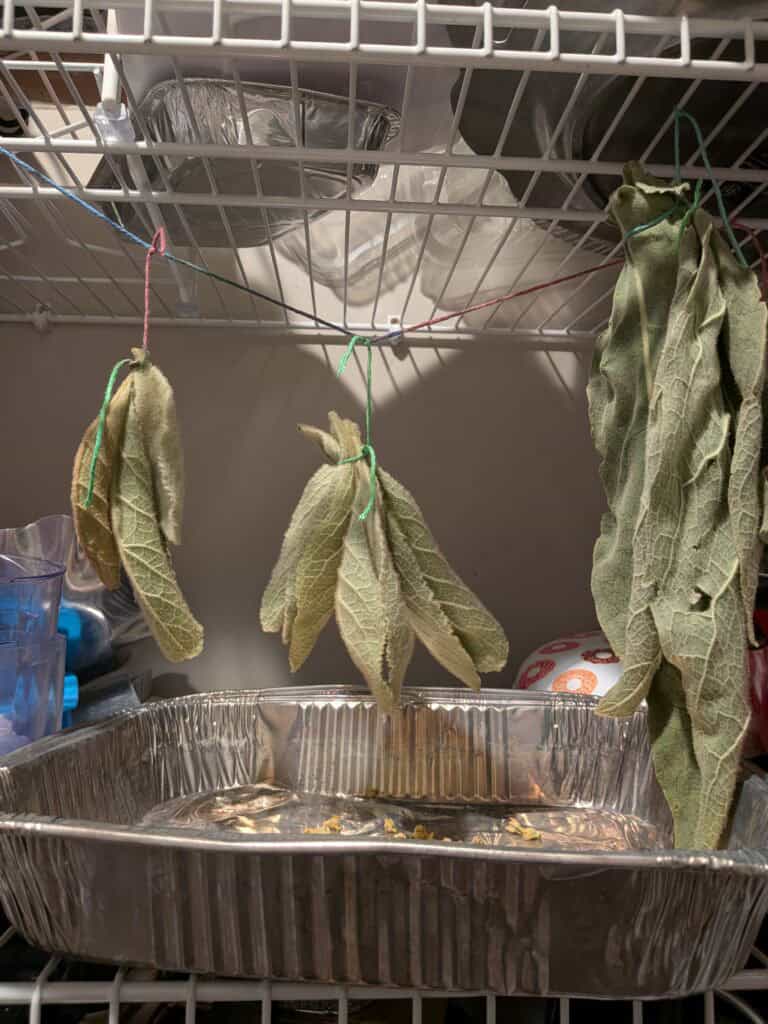
The leaves can be hung in bunches from string to dry out. This may take up to a few weeks for them to feel fully dry and crispy.
Tincture Preparation:
A mullein tincture is a concentrated liquid extract that can be made from the leaves or flowers. To prepare one, fill a jar with dried plant material and cover it with high-proof alcohol such as vodka. Seal the jar and let it sit in a cool, dark place for 4–6 weeks, shaking occasionally. After straining, the tincture can be stored in a dark bottle and used in small amounts as needed. Tinctures are convenient for travel and long-term storage.
Each of these preparations offers a different way to work with mullein’s soothing, supportive qualities. Whether you prefer tea, oil, or tincture, this plant has a quiet way of showing up when the body needs gentle care.
Final Thoughts on Mullein
Mullein is one of those plants that teaches us to slow down and pay attention. It may grow in overlooked places, but its value is anything but ordinary. With its soft leaves, tall flowering stalk, and long history as a respiratory ally, mullein has earned its place in the herbalist’s toolkit.
By learning to identify it carefully, respecting its cautions, and preparing it thoughtfully, you can welcome this gentle plant into your practice with confidence. Whether used in a warm tea, a soothing oil, or a simple tincture, mullein offers steady, comforting support from the wild world around us.