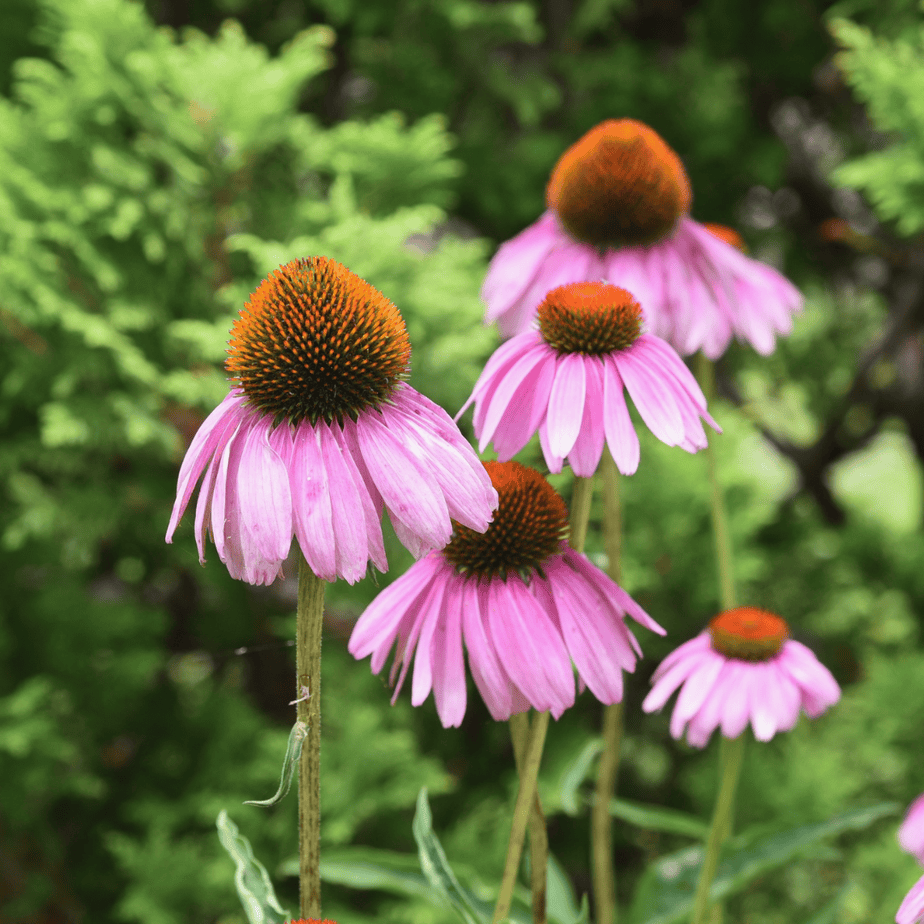
Skullcap: The Quiet Herb for Busy Nerves
Skullcap is a calming, anxiety-soothing herb you may find in your own backyard. Discover how to identify Skullcap, as well as its benefits and uses.
Often overlooked because it doesn’t demand attention, skullcap is one of herbalism’s most cherished nervines—a gentle herb traditionally used to soothe frazzled nerves, ease tension, and help the body soften after long stretches of stress.
Skullcap invites us to slow down. In a world that often rewards constant motion, this plant offers a different rhythm: one of rest, release, and quiet support. Whether you’re building a home apothecary or simply learning to recognize useful wild plants, skullcap is a wonderful herb to know.
In this guide, we’ll explore how to identify it, what it has traditionally been used for, important cautions, and simple ways to prepare it as tea, tincture, or topical remedy. This article focuses on American skullcap (Scutellaria lateriflora), the species most commonly used in Western herbalism.

Identifying Skullcap in the Wild
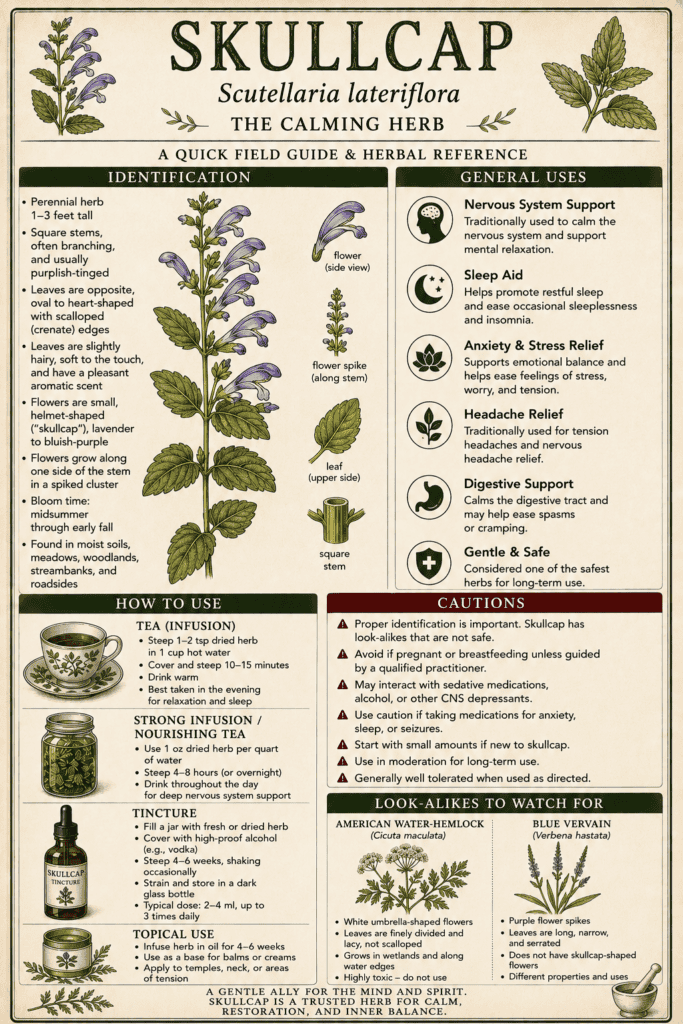
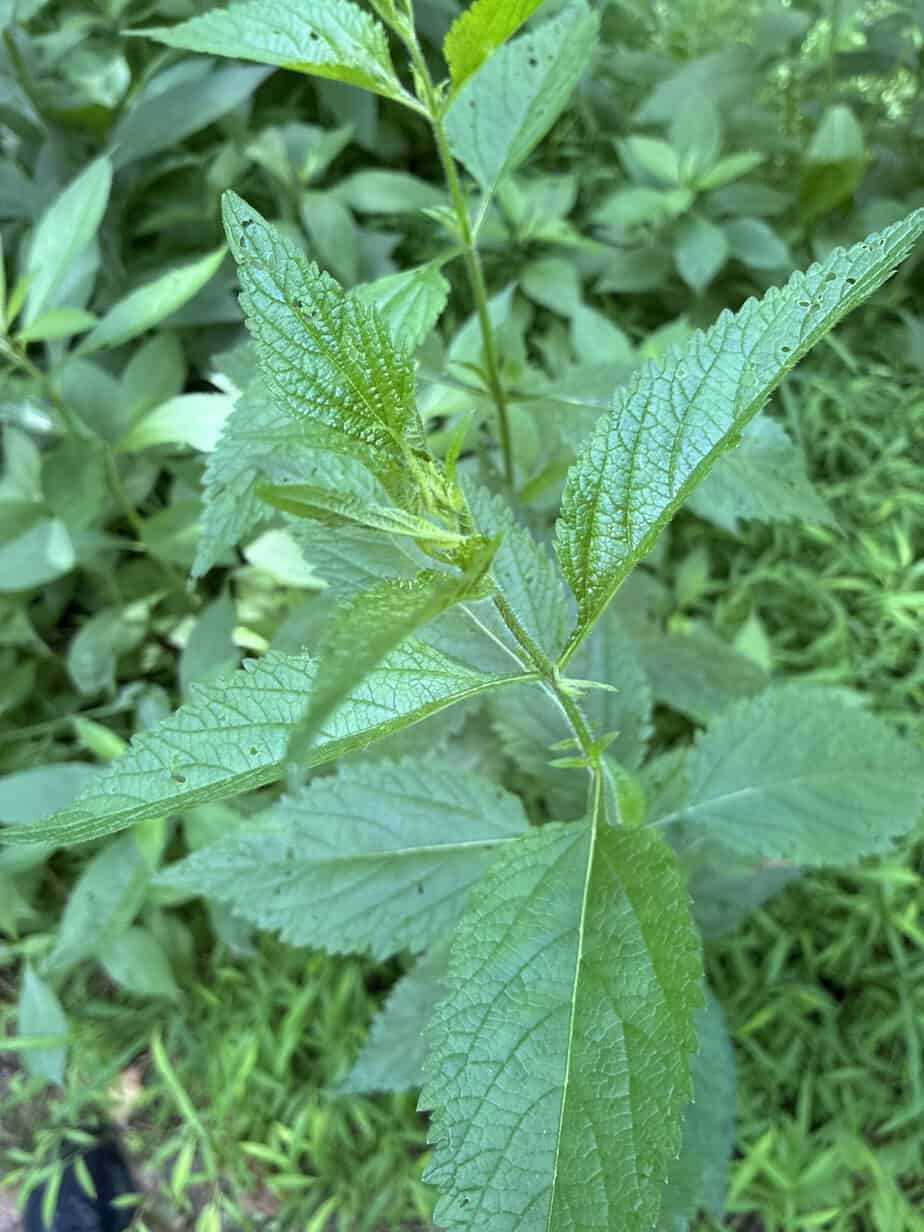
American skullcap is a perennial herb (meaning it returns each year) in the mint family that prefers moist habitats such as wet meadows, streambanks, ditches, and woodland edges. It typically grows one to three feet tall and has the square stems common to many mint-family plants. The leaves grow opposite one another along the stem, are lance-shaped to oval, and often have toothed edges.
Skullcap’s most distinctive features include:
- Small blue to violet blossoms appear in the leaf axils, often along one side of the stem, giving the plant a somewhat “side-flowering” look
- Flowers are tubular and hooded, resembling tiny helmets or caps
The best time to harvest skullcap is when it is in bloom, usually in mid to late summer. Herbalists typically gather the aerial parts—the leaves, stems, and flowers—while the plant is fresh and vibrant. This is when it is most often used for teas and tinctures.
Proper identification is essential, especially because skullcap can be confused with other mint-family plants. The most important dangerous lookalike is germander (Teucrium spp.), which has been associated with liver toxicity and should never be used as a substitute. Germander may share square stems and opposite leaves, but it usually has a more woody base and a different flower structure. When in doubt, always consult a reliable field guide or experienced forager before harvesting.

Traditional and Modern Uses of Skullcap
Skullcap has long been valued as a calming herb for the nervous system. Herbalists often turn to it when stress shows up in the body as tight shoulders, racing thoughts, jaw clenching, restlessness, or trouble falling asleep.
It is considered a nervine, meaning it helps nourish and support the nerves, and an antispasmodic, meaning it may help ease tension and involuntary muscle tightness.
Skullcap has also been used for tension headaches, menstrual discomfort, and general nervous irritability. Some herbalists like to combine it with other calming herbs such as lemon balm, chamomile, or passionflower, depending on the situation and the person’s needs.
Cautions and Who Should Avoid Skullcap
While skullcap is generally considered a gentle herb, there are important cautions to keep in mind.
Skullcap may cause drowsiness, so it should be used carefully if you need to drive, operate machinery, or stay alert. It may also have additive effects when combined with alcohol, sleep medications, anti-anxiety medications, or other sedating herbs and drugs. If you take prescription medications that affect the nervous system, it is wise to check with a healthcare professional before using skullcap.
Pregnant and breastfeeding individuals are generally advised to avoid skullcap unless specifically guided by a qualified practitioner, as safety data is limited. People with liver disease or those taking medications that affect the liver should also use caution and seek professional advice before using it. As with any herb, start with a small amount and observe how your body responds.
Ways to Work with Skullcap
One of the joys of skullcap is its versatility. It can be prepared in several simple ways, making it easy to incorporate into a home herbal practice.
Skullcap Tea:
To make a tea, steep 1–2 teaspoons of dried skullcap aerial parts or 1-2 tablespoons of fresh flowers in a cup of hot water for 10–15 minutes. The flavor is mild and slightly bitter. Skullcap tea is often enjoyed in the evening or during stressful moments when the body needs help unwinding. It can also be blended with other calming herbs for a more rounded flavor and effect.
Tincture Preparation:
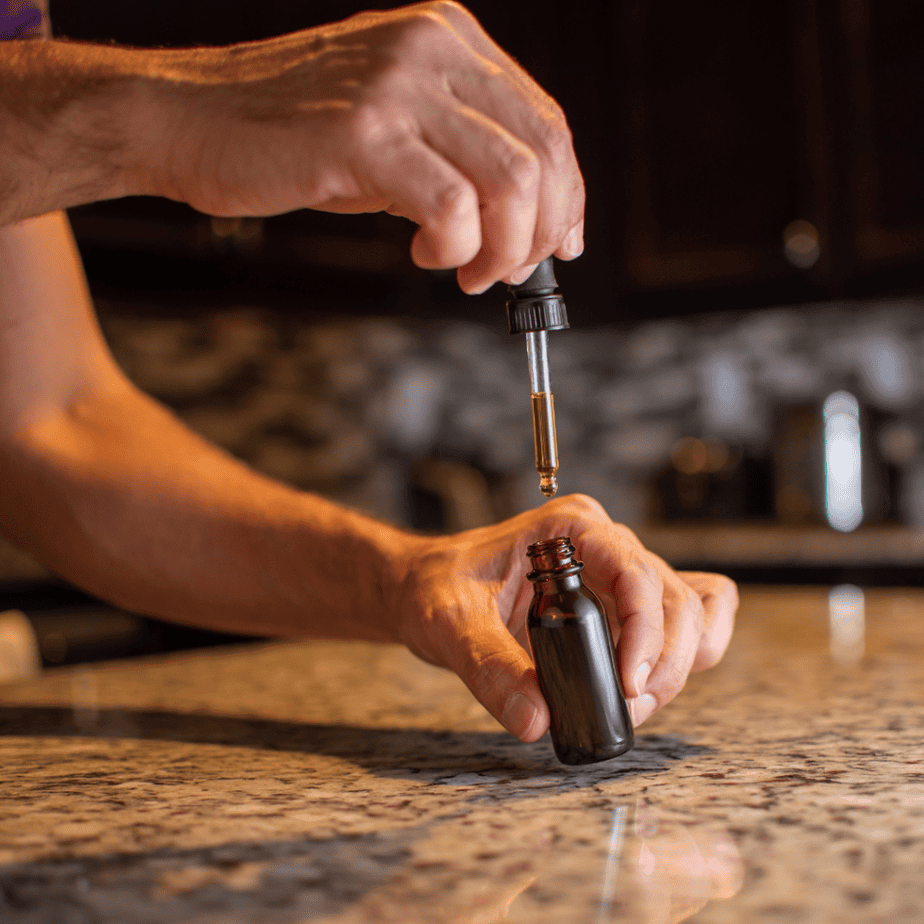
A skullcap tincture is a concentrated liquid extract that preserves the herb for long-term use. To make one, fill a jar with fresh skullcap or dried herb and cover it with high-proof alcohol such as vodka. Seal the jar and let it sit in a cool, dark place for 4–6 weeks, shaking occasionally. Afterward, strain the liquid into a clean bottle. Tinctures are typically taken in small amounts, diluted in water, and are especially convenient for on-the-go use.
Each of these preparations offers a different way to connect with skullcap’s quiet, steady support. Whether you prefer a warm cup of tea, a tincture for convenience, or a calming bath at the end of a long day, skullcap can be a gentle ally.
Final Thoughts on Skullcap
Skullcap is a humble but deeply supportive herb that reminds us that healing does not always need to be dramatic. With its delicate blue flowers, moist woodland habitats, and long history as a nervine, it is a plant well worth getting to know.
By learning to identify it carefully, respecting its cautions, and preparing it thoughtfully, you can welcome skullcap into your herbal practice with confidence. Whether used in a soothing tea, a tincture, or a relaxing bath, skullcap offers its quiet strength to those who need a little more ease, rest, and softness in their lives.