
5 Common Ways Parents Cause Confusion and Instability for Kids
Kids tend to have the ability to pick up on cues and details that we, as parents, are blind to.
This became crystal clear to me when my overly-observant, out-spoken eight year old started to announce anytime I seemed to not follow what I preached to him and his two siblings.
It started out with simple questions like, "You said we had to eat our peas to get a cookie. You didn't eat your peas, so why do you have a cookie?"
I wanted to stand up tall and say, "I wanted the cookie. I worked hard to get through college and get a good job so that I could buy the cookie." Instead, I sheepishly try to cover my mouth and slide the crumbs off the counter into the kitchen sink, with a I-don't-know-what-you're-talking-about expression.
I rapidly became aware that my kids were observing my every move like little ninja spies. Just waiting and watching for me to slip up. Eager to call me out, and curious how I would respond.

Above all, as parents, our priority lies with the well-being of our kids. It is no surprise that we don't always follow through on what we preach to them.
The reason for this is simple:
We have higher standards for our kids than we have for ourselves.

Regardless, I realized that there were things I was doing and saying that caused immense confusion in my children's sponge-like brains.
This goes far beyond simply eating cookies in front of my kids before dinner. I wanted my children to feel like we are in this thing called life together. And I wanted to be a steady role model for them at all times.
With parenting, consistency is key. To provide a stable environment for children, we have to stop holding them to double standards. These are 5 common things parents do that can cause instability for children.
1) Unbalanced Screen Time Rules
You may have strict screen time rules, or relatively lax views. Regardless, it should be standard across the board for the family.
In my home, I am somewhere in the middle. I will let my kids wind down with technology; however, if I feel they are overusing screen-time, I am quick to end it. We have even done a week long technology detox.
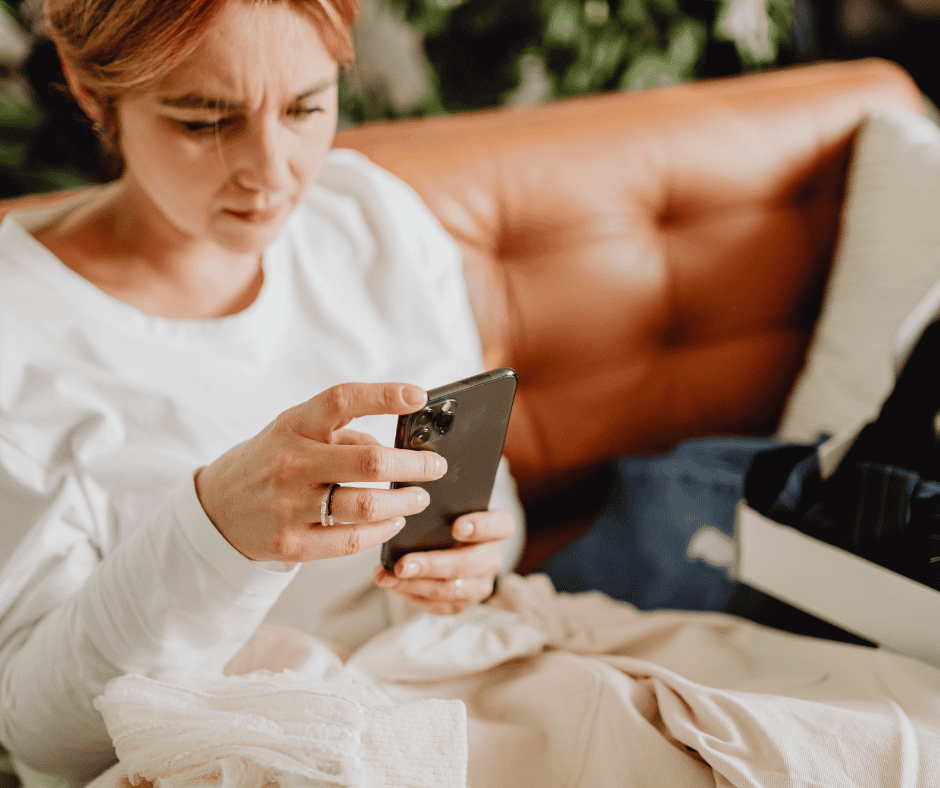
I sensed a family instability when I would lecture my children on the importance of limiting screen time, then they would catch me scrolling through Facebook on my phone.
Oh yes, they noticed Every.Single.Time.

It is important to develop standards for the entire family to follow. Some examples could include:
- No technology at the dinner table
- Only 1 hours of video games per day
- No phones during family quality time
Obviously, you may have to take an emergency call or text back a friend, but limit the mindless games and social media-ing while you are spending time with your family.
2) Don't be a Gossip Girl
Recently, I heard my son telling a friend that another buddy was a super slow runner at gym class. My sensitive bully-radar forced me to interject and confront him about the harmful effects of gossiping.
He promptly reminded me that I said things like that all of the time, and he even threw in a few solid examples.
He was right. How could I expect him to avoid talking about people behind their backs when I was modeling this type of negative behavior.
As parents, we must demonstrate this by avoiding any gossip in front of our children. Initiate open discussions with your children about the harmful effects of rumors, bullying, and gossiping.
3) End Threats and Empty Bribes
As a parent of three young kids, I wasn’t always dependent on this bribe-threat parenting method; however, it slowly became a faster and easier disciplinary solution as the chaos of three kids washed over me.
It seemed to feel more efficient. It was easier to say "clean up your toys or I am throwing them out!" or "if you clean up your toys I will give you a lollipop!"

In reality, I was only portraying weakness. Children don't learn lessons from bribe-threat parenting. It is ineffective and causes confusion with children.
The American Academy of Pediatrics (AAP) recommends disciplining with natural consequences.
Although it may feel like more work in the beginning, children learn true lessons through natural consequences that they can rely on.
For example: It is cold outside and your child refuses to put on a jacket. Instead of yelling at them and battling them to put on their coat, allow them to walk outside and feel the cold. They will most likely want to put their jacket on based on the natural consequence of going outside without a coat.
To learn all about parenting with natural consequences, read this.
4) Complaining About Responsibilities
You can't expect your children to jump out of bed every Monday morning with a rainbow of joy trailing behind them, eager to go to school if you express hatred towards your job.
Similarly, you most likely won't see their faces light up when you ask them to take out the trash if you talk about how laundry is the bane of your existence.
Speak about your duties and responsibilities in positive ways. When I tell my children that I am lucky to have a job and I enjoy helping people at work, I can see my positive attitude reflect on their little faces.
5) Respecting Family Members
Kids will fight; however, as parents we are responsible for ensuring they respect each other, apologize, and find a way to work it out between them.
My husband and I commonly lecture our children on treating each other with respect.
Our children look to us to see how to interact and communicate with family members. Even when we do not agree, it is crucial that we act in calm and respectful ways towards each other and display how we want them to act.

Final thoughts
It's normal for parents to contradict themselves. We want the best for our kids, but gosh-darn-it, sometimes we deserve that cookie before dinner.
However, to create a stable and consistent environment for your kids you must model the positive behavior that you want to see in them, open the lines of communication, and provide positive experiences to them.
And if you still really need that pre-dinner cookie, simply hide in the laundry room and enjoy that cookie.
If you found this helpful, share it or follow us on Facebook for more up to date discussions on raising kids who are healthy at home and strong in the world.




Great post. It's definitely important to be consistent in how we parent. But sometimes you do want that cookie. Lol.
great read, I think using threats and bribes that we are not willing to follow through with have the opposite effect. We must say what we mean and mean what we say.
Very helpful post. I fount lot of new things which help for my success. Thank you.
This is a great parenting post with many reminders that I needed. Today was a particularly hard day on the kid front.
These are great tips. I especially like the part about screen time. If my three year old gets too much of it, she turns into a mini monster. Lol Thanks for sharing:)
@Rochelle stivers, you’re right. Screens are like drugs for the kids. To have our daughter back to normal, my husband I decided to limit her screen time to 2 hours a week (only Saturday). After one week she was already someone else. Now she has time to talk to us, play with toys, share quality time, socialized. That’s what kids need to grow, not a robot friend.
Very useful post
I see this with some of my friends. I’ll have to show them. Thank you for sharing.
I'm not a parent, but it looks like you have good advice!
This article was completely transparent and truthful. Great job. Great point of bring up how we give our kids higher expectations than we give ourselves.
Great tip. Every parent should read this. I am not a parent yet but I’ve learned a lot from this post. Thanks.
Great article. I learned something new from your post. Thank you so much for sharing it.
Great parenting tips post. These common things parents do that can cause instability for children.
I am a teacher to preschool kids and this article was a great write. Especially the section of "End Threats and Empty Bribes". I have seen it so many times with parents and it just boggles my mind.
Children are like sponges, they absorb so much from what we say and do, without us realising. You have some really good examples like why did you eat the cookie without having peas first, and why did you talk about others but they can't about their colleagues. It takes indeed a lot of effort to realise what you are doing that might influence your children's behaviors as well.
This is a very informative article, kids are quite sensitive
Such a great list! I agree about the screen time.
This was an amazing article. I am definitely pinning this for later.
Great post. It is hard sometimes to teach our kids the "right" way when we don't follow the same advice. They learn by example, so we need to try setting good ones. No ones perfect..
Being a new parent I have become more aware of all I am doing. 🙂
I'm not a parent yet but this is such great advice especially to the all newbie parents. Awesome post!
This hit hard! I can totally see how I've grown up with a few of these behaviors happening around me, and how I am slowly doing the same things around my own husband (and future kids too). Thanks for the reality check!!!