
Parents of Positive Kids who do Not Easily Break do These 5 Things
The scenario is simple, but the outcome is very different.
You have two children on the same soccer team: Terry Temper and Sammy Smiley. They are giving it their all in the championship game. The score is tied in the last quarter of the game.
Terry Temper and Sammy Smiley get a break away, and the entire team erupts into supportive cheers. The ball is fluidly moving between each of them as they make their way closer to the other goal. The championship trophy is practically in their hands.
Suddenly, a large defensive player on the other team steals the ball off the boys, and sends it down the field. It lands right at the foot of the other team's star player, who strikes the ball right into Terry and Sammy's goal.
The buzzer goes off, and just like that the game is over. Terry and Sammy lost the game.
Terry Temper sulks his way to the bench. He kicks his water bottle, shuts out the coach, and vows to quit soccer.
Sammy Smiley is disappointed, but she is proud of her team's efforts. She listens to her coaches advice and will show up the next day to practice to work extra hard.

Whether in sports, school, and life in general, we all know a Sammy and we all for sure know a Terry.
How do we, as parents, raise kids who are positive thinkers vs. negative thinkers?
Building an Environment for Positivity
If we want to raise kids who can face this big, unpredictable world, we need to wire their growing minds for positivity.
1) Encourage Risk Taking
I am not talking about bringing your child skydiving, but slightly risky behavior has been proven to teach kids confidence and empathy, as well as increased their emotional intelligence.
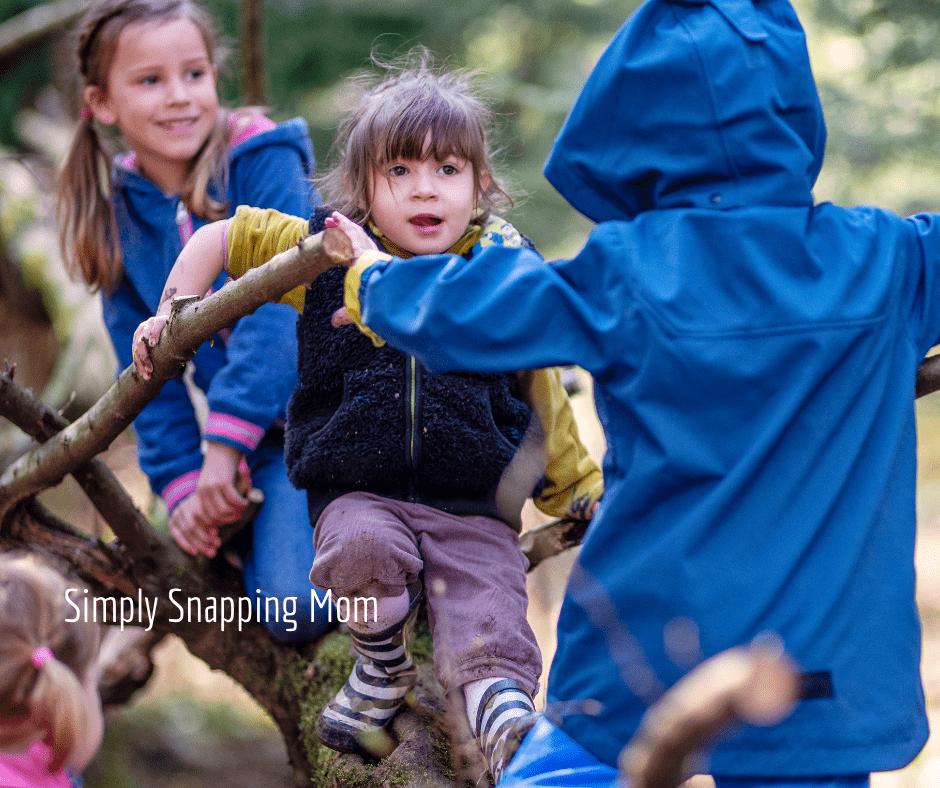
Allow your child to climb a tree, roll down a hill, or play rough with other kids.
Learning to tackle and overcome difficult situations builds a positive self image in children.
Related: The Dying Art of Letting Kids be Kids.
2) Resist the Urge to Live Through Your Kids
If your child doesn't get an A in math, it doesn't mean that you are a lousy parent.
If your child doesn't become a starter on the basketball team, it doesn't reflect negatively on your involvement as a parent.
Too often, parents feel pressure to give children opportunities that they did not have. They feel that if their children doesn't succeed, it reflects on the quality of parenting. This added pressure is passed on to children, and can result in frustration and negativity.
Looking for tips to help a kid after a bad day - Start here!
3) Be a Positive Role Model
Be open with your child about things going on in your own life.
Show them that you make mistakes and face obstacles. Talk to them about how you stayed positive and faced your challenges.
These conversations will help your child understand real world scenarios and develop realistic life expectations.
Related: 20 Random Acts of Kindness for Kids
4) Banish the Negative Language
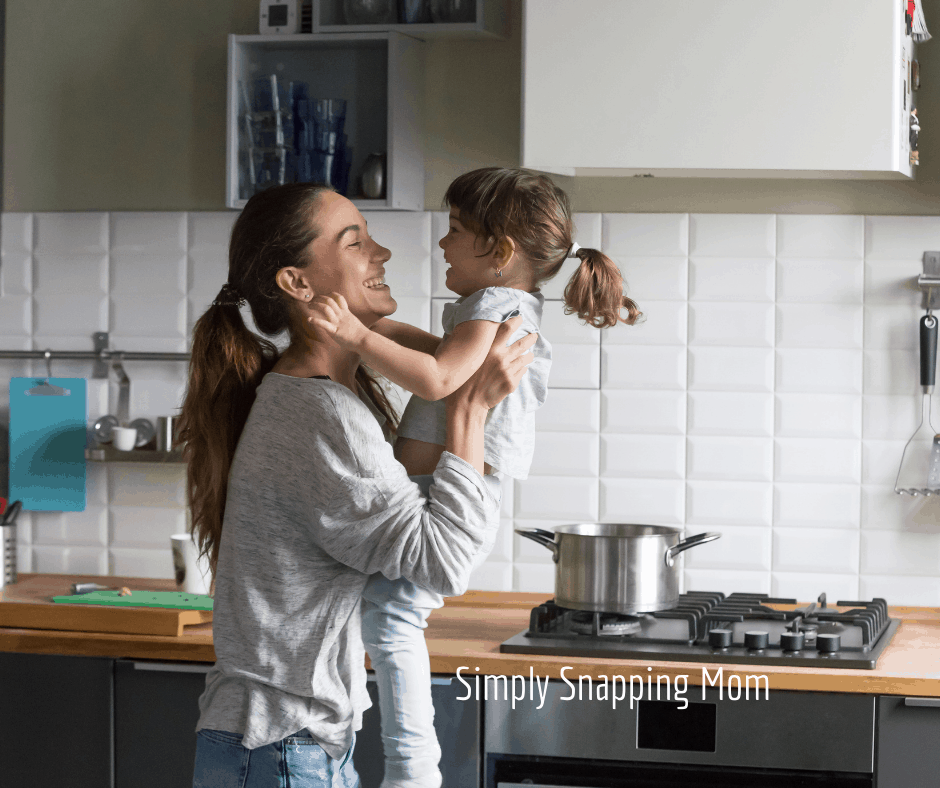
The way we talk to our children becomes their internal voice.
Instead of trying to verbally whip our children into shape, try this approach:
Take the time to listen to your children and empathize with their feelings. Then, try to help them figure out what they can do to solve the problem.
If your child does poorly on a test, instead of lecturing them, tell them "I understand you feel frustrated. What do you think you can do next time to prepare better?".
Related: 5 Seemingly Innocent Phrases that can Damage Your Kid's Sweet Heart.
5) Teach them to Label Emotions
Growing evidence suggests that it is difficult to identify and label the variety of emotions we experience at any given time.
In fact, in one poll 60 percent of interviewed college students said they did not feel emotionally prepared to deal with negative feelings such as anxiety and disappointment.
You may hear a child express that their ‘belly hurts’ when they are anxious. Or if you ask how their day was they may answer with “good” or “fine”. Encourage them to really express how they are feeling. Commonly ask things like:
- How did that make you feel?
- When that happened did you feel excited or upset?
- Do you think your belly hurts because you are nervous about something?
You can model this behavior for them by commonly speaking about your feelings.
Teaching them to talk about their emotions will help wire their brains to understand their own queues.
Related: 5 Ways to Wire Your Kid's Brain for Happiness

Final Thoughts
Parents can build a positive home, with a stable foundation of resiliency that is grouted with love, with these 5 effective method.
Make it a priority to raise kids who are positive thinkers. Kids who can face all the unpredictable curve balls this world will undoubtedly throw their way.
If you found this helpful, share it and follow us on Facebook for more discussions on simple parenting.
- Raise Kids That Can't be Deceived with These 5 Tips
- Stinging Nettle: The Nourishing Green Powerhouse
- Plantain Leaf: The Quiet Healer Beneath Your Feet
- Skullcap: The Quiet Herb for Busy Nerves
- Mullein: The Velvet Giant of Herbal Medicine





Very well written, I'm not a mom but I remember what it was like being a kid and wanting these things. "Resisting the urge to live through your kids" is definitely a big big one
I totally agree with the "encourage risk taking" point... always a delicate balancing act between protecting kids and allowing them to take risks and grow better.
Number 3 is my favorite one. Be a great and positive role model!! It’s amazing how often people don’t think of that on a daily basis.
I really like all these tips, especially the one about being a positive role model, how true. I am glad that I came across all these pearls of wisdom, thank you.
I have been trying to do this with my stepdaughter, but not to speak ill on her mother... But she is very negative and always sees the worse in situations and it has been rubbing off on my stepdaughter. I am still going to show her there is beauty in everything.
Children mimic and shadow their parents. I am not a parent but even with my pediatric patients, the best approach is to let them watch me treat their mom or dad on the dental chair first. They're quite eager to copy.
Parents play a big role in molding their child's mindset. Positivity is a choice after all.
Not a mum but indeed these points are really good for parents. As positive thinking is much required...
I enjoyed reading the post, thank you for the list. This is a great and inspirational to new parents and to parents in today's generation.
I appreciate the positive energy and I always think it goes a long way staying positive. Thanks for the tips and insights and I think it will inspire many parents, too - Knycx Journeying
These are some great tips and a reminder! Most of the time we unintentionally do or say things to our kids that leaves an everlasting impression. It is so important to inculcate positivity in the environment for our kids.
You are an amazing and positive thinking Mom! Your kids and family are very lucky 🙂
It's definitely important not to try to live your life through your kids - great points you've made!
I absolutely love this! You are such a great parent and we should always be positive thinkers and forward thinkers. I always worry for kids when they can't climb a tree because a parent is scared they will get hurt (but I also always understand why too!), I always worried the poor child will grow up scared of life. I don't have kids yet but I have little cousins that I look after and I always try to be a positive role model for them and avoid negative language. I think these are such amazing tips and your children are lucky to have you <3
Excellent post!
With so much negativity and pressure out there today, these are useful pointers to build a positive environment for kids. Impressions certainly do count!
thanks so much for sharing these 5 useful tips, it helps me to guide my 3 years old little niece who stay in with me, tried my best to be her role model by careful watch out my own speaking & behaviours at all times, as well as reminds my mum to do so too 😀 Also we are now guiding her to start express her emotion by explaining why she is crying & not just throw tantrums at times. cheers, siennylovesdrawing
im not an expert on these,,but for me learning starts at home,,thats how it should be...now a days 3 yr old kids already have an ipad learning from cartoons..when i was a kid my day strts with a chores fix my bed,full breakfast,walk to school,back home for lunch..2 hours nap 2-4 pm is mandatory.1 hr play with friends do home work.8pm already on the bed..in our home we call it discipline
As adults, it is important to encourage positive behavior in kids because they will carry that for the rest of their lives.
These are great tips! I try my best to be a positive role model for my kids.
Positive thinking does the trick in most situations. We as adults should cultivate positive thinking in ourselves - and forward it to our kids, for sure.
I love this! Developing a positive mindset to the kids is a great way to live a better life and handling proper difficult situations.
Great points and I agree, I always try to be a positive role model and will take note of the other insight of yours 🙂 - Knycx Journeying